
Authentic Sumba culture, villages and local ceremonies
Understanding Authentic Sumba Culture
Sumba is an island that offers a rich of tradition, spirituality, and artistry. The indigenous people, known as the Sumbanese, are known for their unique customs and resilient cultural identity, which has remained relatively unaltered thanks to their strong adherence to Marapu beliefs and practices. Visitors to Sumba can immerse themselves in this cultural heritage through village visits, local ceremonies, and traditional events.
Sumba Traditional Villages: A Journey Through Time
Exploring Sumba’s traditional villages is an experience that transports visitors back in time. Each village is distinct, showcasing unique architecture, customs, and community life. Some must-visit villages include:
- Ratenggaro Village: along the coast, Ratenggaro is famous for its stunning landscapes and traditional thatched-roof houses. Visitors can hike through the surrounding hills for breathtaking views. The village is also known for its hospitality, making it a perfect introduction to Sumba’s way of life.
- Praiyawang Village: Home to some of the island’s most intricate Ikat weaving, Praiyawang offers workshops where visitors can learn about the weaving process and purchase authentic textiles.
- Wee Sabu Village: This village is a cultural hub where you can witness traditional ceremonies and rituals, offering a deeper understanding of the island’s spiritual practices.
Most villages are accessible year-round, with the best months to visit being April to October for pleasant weather. Joining an ethical village tour is highly recommended, as these tours are designed to support local economies and respect cultural norms.
Sumba Marapu Culture Explained
At the core of Sumba’s identity is the Marapu culture, deeply rooted in animism and ancestor worship. The Sumbanese believe in a spiritual connection between the living and the dead, with ancestors playing a central role in daily life. Key aspects of Marapu culture include:
- Rituals and Offerings: Offerings to spirits are made during various ceremonies, showcasing the community’s respect for their ancestors.
- Traditional Beliefs: Life events such as birth, marriage, and death are surrounded by rituals that honor the Marapu spirits.
- Community Involvement: Marapu beliefs emphasize communal living, with the entire village typically participating in significant ceremonies.
Understanding Marapu culture will enhance your experience in Sumba, as it influences everything from social interactions to the approach towards nature.
Visiting Ratenggaro Village: Etiquette Tips
When visiting Ratenggaro Village, or any traditional Sumba village for that matter, it is crucial to respect local customs. Here are some etiquette tips to keep in mind:
- Dress Modestly: Wear traditional or modest clothing. Avoid shorts and sleeveless tops as a sign of respect.
- Ask for Permission: Always ask locals before taking photographs or entering private homes.
- Participate Respectfully: Engage with villagers in their activities if invited, but do so with respect and humility.
Visiting Ratenggaro Village can be an eye-opening cultural experience if approached with the right mindset and respect for local traditions.
Sumba Pasola Festival: Dates and Significance
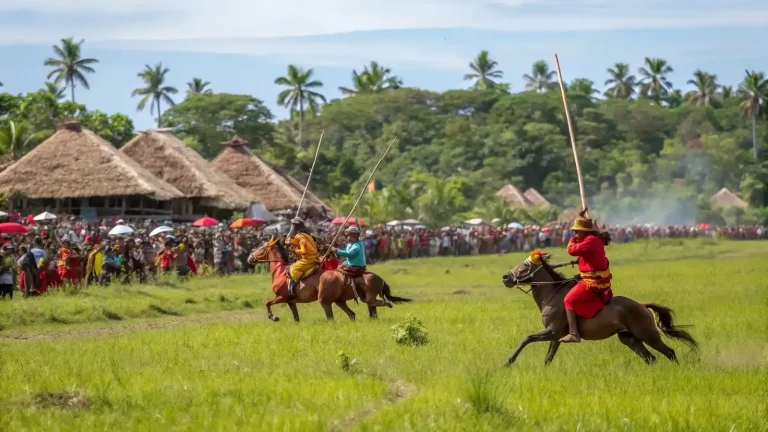
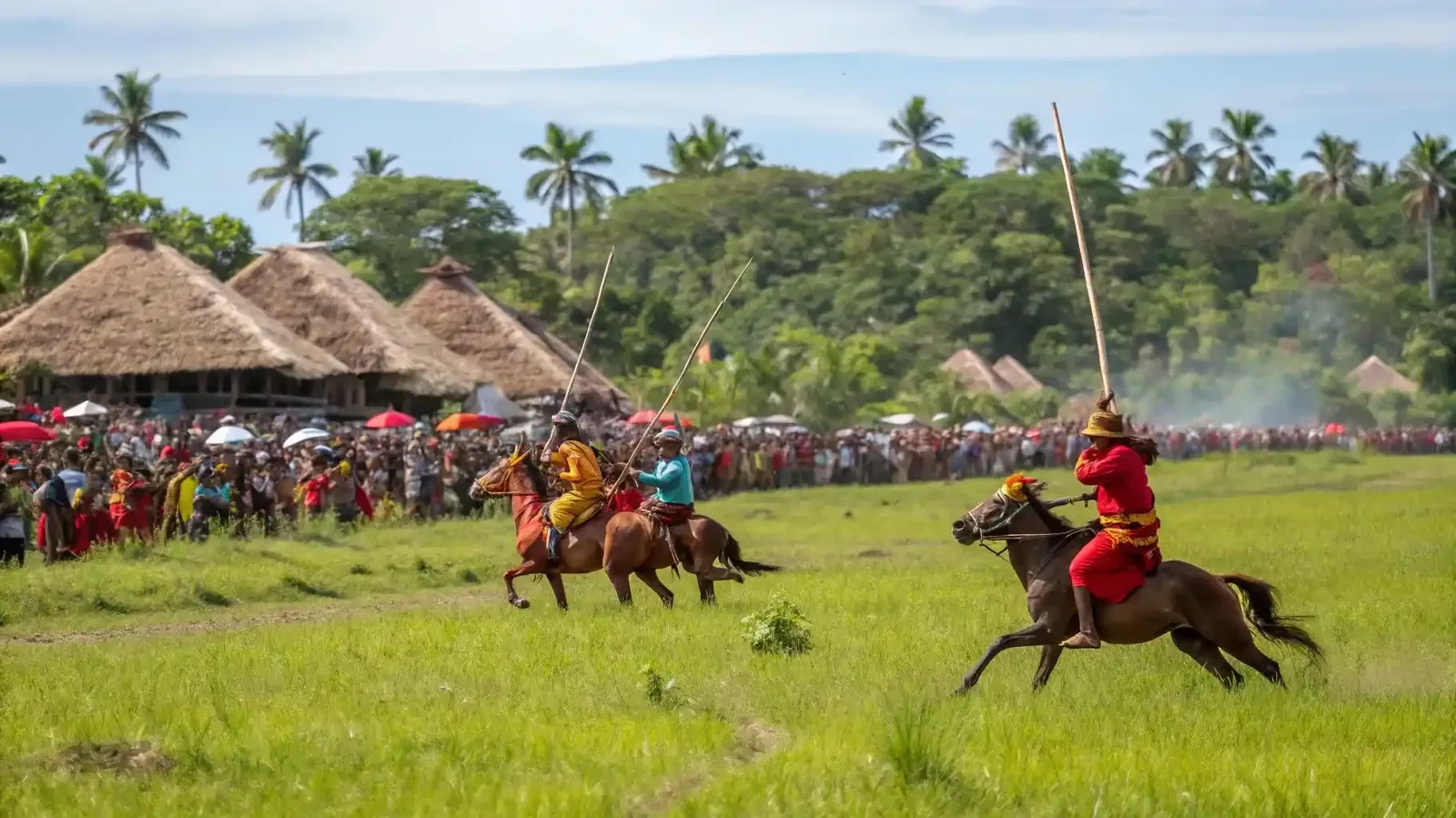
The Sumba Pasola Festival is one of the island’s most renowned cultural events, held annually from February to March. In 2026, the festival dates are expected to be around February 25 and March 11. This traditional ceremony involves a thrilling display of mounted horsemen who engage in mock battles with wooden spears, showcasing bravery, skill, and the importance of community ties.
The Pasola is not just a spectacle; it symbolizes the Sumbanese connection to the agricultural calendar, marking the beginning of the planting season. Attending the Pasola provides a unique opportunity to witness Sumba’s vibrant culture in action.
Can Tourists Attend Sumba Funerals?
Yes, tourists can attend Sumba funerals, provided they follow specific guidelines. Funerals in Sumba are elaborate and significant events that reflect the Marapu beliefs surrounding death and the afterlife. Generally, it’s advisable to:
- Seek Permission: Always ask the family if it’s acceptable for you to attend.
- Dress Appropriately: Wear respectful clothing, often dark or muted colors.
- Be Respectful: Understand that these events are deeply emotional and sacred, so behave accordingly.
Funerals can last several days, featuring traditional rituals, music, and feasting, allowing visitors to gain insight into Sumbanese spirituality and community bonds.
Sumba Ikat Weaving Villages Tour
For those interested in traditional crafts, a tour of Sumba’s Ikat weaving villages is a must. The process of Ikat weaving is an intricate art form that involves dyeing threads before weaving them into stunning textiles. Some notable weaving villages include:
- Praiyawang: Known for its striking patterns, visitors can engage in workshops to learn the intricacies of this ancient craft.
- Waikelo: This village features some of the finest craftsmen and showcases unique designs that reflect local stories and legends.
Tour prices for Ikat weaving experiences typically range from $30 to $100 (IDR 450,000 to IDR 1,500,000), depending on the length and inclusions of the tour. Expect to spend half a day to a full day immersing yourself in this traditional art.
Tipping in Sumba Villages
When visiting Sumba, tipping is a way to show appreciation for local hospitality, although it is not mandatory. If you have a local guide from Sumba Concierge, they can provide insight into appropriate tipping practices. Here are some general guidelines:
- Guides: $5 to $10 (IDR 75,000 to IDR 150,000) per day is a fair tip.
- Hosts: If you are invited for a meal, leaving a small gift or a few thousand IDR can be a kind gesture.
- Staff at Accommodations: Around $1 to $3 (IDR 15,000 to IDR 45,000) for housekeeping is appreciated.
Being mindful of local customs while tipping helps foster goodwill and strengthens connections with the community.
Conclusion
Authentic Sumba culture is a remarkable blend of tradition, spirituality, and artistic expression waiting to be explored. From the vibrant Pasola Festival to the intimate settings of traditional villages, Sumba offers an experience for those willing to into its rich heritage. With Sumba Concierge as your local guide, you can navigate this fascinating island with ease and respect. Prepare to witness a culture that is as captivating as it is resilient.
Frequently Asked Questions
- What are the best months to visit Sumba?
The best time is from April to October for pleasant weather and local festivals.
- Are there any cultural events I shouldn’t miss?
The Pasola Festival, typically in February and March, is a highlight of Sumba’s cultural calendar.
- How can I engage with the local community ethically?
Opt for village tours that support local economies and respect traditions, while always seeking permission before participating in cultural events.
Ready to immerse yourself in the captivating culture of Sumba? Book your adventure today!
Explore more from Sumbaconcierge
Keep Reading
Family Travel
Komodo Liveaboard Planning for Families and Groups (2027 Guide)
Planning a Komodo liveaboard for your family or group in 2027 requires careful consideration of budgets, privacy, and activities. Open…
Family Travel
Family‑friendly Sumba: kids, teens and multigenerational trips
Family-friendly Sumba: Kids, Teens, and Multigenerational Trips Sumba is an enchanting destination in Indonesia that proves to be an excellent…
Family Travel
Comparing top Sumba areas, resorts and stays
Defining Sumba's Charm Sumba Island, located in Indonesia’s East Nusa Tenggara province, is a hidden gem known for its stunning…