
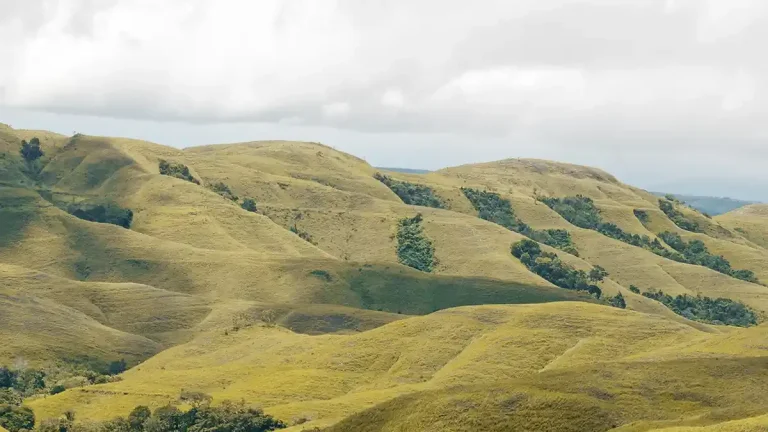
Best time of year to visit Sumba island
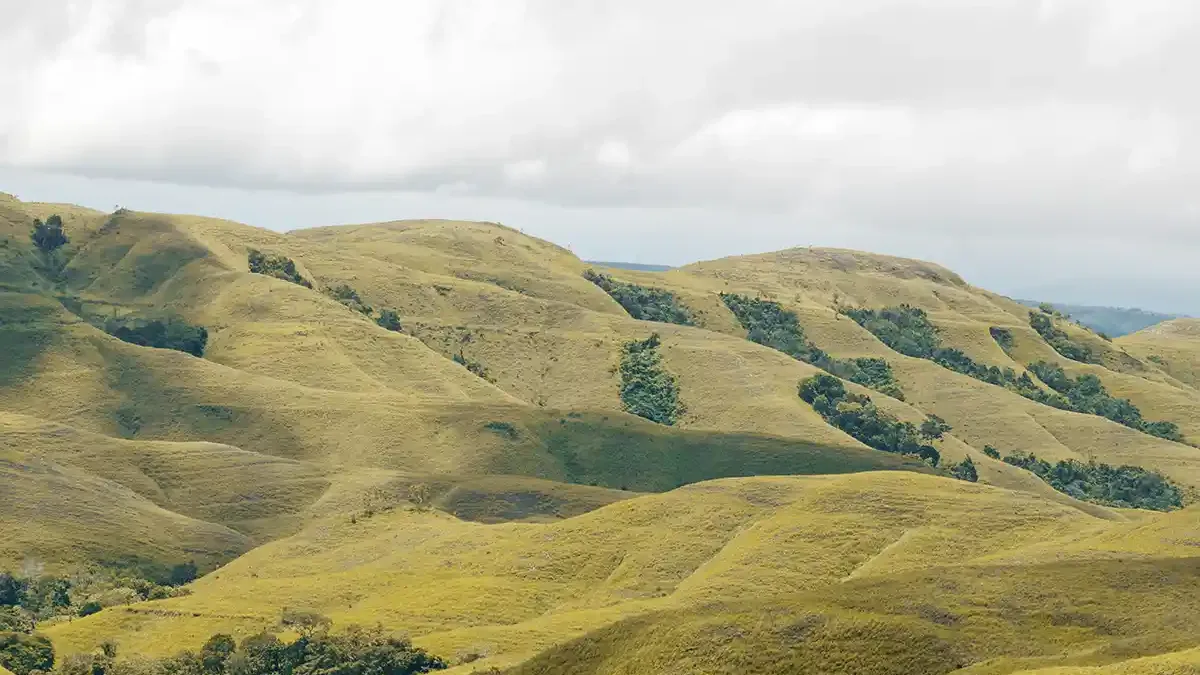
Best Time of Year to Visit Sumba Island
Understanding the best time to visit Sumba Island involves exploring its unique climate patterns, seasonal activities, and crowd dynamics. This remote island in Indonesia offers an extraordinary experience, but timing can significantly enhance your journey. Here’s an in-depth guide to the island’s weather, activities, and seasonal differences.
Sumba Weather by Month
Sumba experiences a tropical climate that shapes its weather throughout the year, divided into a dry season and a rainy season. Understanding the nuances of Sumba’s weather month by month can help you plan effectively.
- January: The rainy season is in full swing. Expect high humidity, average temperatures between 24°C to 31°C (75°F to 88°F), and daily rain showers. Ideal for lush landscapes but less optimal for outdoor activities.
- February: Similar to January, February experiences continued rain and high humidity. Occasional sunny breaks can happen, but daily downpours are common.
- March: The rain begins to taper, but humidity remains high. Average temperatures remain consistent. Good for those who enjoy fewer tourists.
- April: Transitioning towards the dry season, April offers drier weather and a rise in temperatures. This month is ideal for diving, with visibility improving.
- May: Known for excellent weather, May is one of the best months for visiting. The average temperature is around 30°C (86°F) with little rain, making it perfect for beaches and outdoor adventures.
- June: The dry season is now established. Expect sunny days and cooler evenings. Great time for surfing as swells begin to pick up.
- July: Peak tourist season. Beaches are busy, and accommodations can fill up quickly. Conditions for surfing and diving are optimal, with average temperatures hovering around 29°C (84°F).
- August: Similar to July, August maintains good weather and increased tourist traffic. This is also a good month to spot manta rays near the coast.
- September: The crowds start to thin out, but the weather remains excellent. A great month for beach lovers and divers alike.
- October: October marks the end of the dry season. Warm temperatures and fewer tourists make it a good time to visit if you want a quieter experience.
- November: Rainy season begins to creep in, but still manageable. Temperatures remain warm with the occasional downpour.
- December: While December brings more rain, Sumba still offers charm. If you’re looking for tranquility and don’t mind a few rain showers, it can be a worthwhile month.
Sumba Dry Season vs Rainy Season
Understanding the differences between Sumba’s dry and rainy seasons is crucial for potential visitors. The dry season runs from April to October, characterized by sunny skies, little rain, and mild breezes. This is widely regarded as the best time to visit Sumba, especially for outdoor activities such as surfing, diving, and beach lounging. Daily temperatures range from 24°C to 34°C (75°F to 93°F), perfect for soaking up the sun.
In contrast, the rainy season from November to March brings heavy downpours, higher humidity, and the occasional flooding in low-lying areas. Although the landscape is lush and vibrant during this period, many outdoor activities become less desirable due to muddy conditions and limited visibility underwater. If your priorities include surfing or exploring remote beaches, the dry season is the clear winner.
Surfing Season in Sumba
For surfing enthusiasts, Sumba is a hidden gem. The prime surfing season runs from June to September, coinciding with the dry season. During these months, Sumba’s beaches, such as Nihiwatu Beach and Tarimbang Beach, provide excellent surf conditions with consistent swells averaging between 1.5 to 3 meters (5 to 10 feet), ideal for both beginners and seasoned surfers.
Additionally, the warm water temperatures—hovering around 28°C (82°F)—make it comfortable for long sessions in the ocean. Surf schools and rentals are available, with packages starting at around $50 (750,000 IDR) for a half-day lesson. If you’re looking for uncrowded waves and pristine conditions, planning a trip during these months is highly recommended.
Best Month for Sumba Beaches
While Sumba’s beaches are stunning year-round, May is often heralded as the best month for beach-goers. With minimal rainfall and pleasant sea breezes, you can enjoy sunbathing, swimming, and beach sports without the hassles of larger crowds. The water is typically warm, and the clarity is excellent for snorkeling and diving.
Additionally, if you visit in May, you can expect to see vibrant marine life. Diving around Sumba can take you to depths of 30 meters (100 feet) or more, with popular spots like the waters around the island of Kaledupa, where colorful corals and diverse fish species abound. Dive packages usually range from $70 to $120 (1,000,000 to 1,800,000 IDR), depending on the duration and inclusions.
Sumba Crowds: High Season vs Low Season
High season in Sumba typically runs from July to August, coinciding with school holidays in many countries. During this peak time, you can expect higher accommodation prices, which can range from $100 to $300 (1,500,000 to 4,500,000 IDR) per night at popular resorts like Nihi Sumba or Sumba Hospitality Foundation. The beaches can also be busier, making it essential to book activities in advance.
Low season, on the other hand, encompasses the rainy months from November to March, when prices can drop significantly—often 20% to 50% lower than peak season. However, while you might enjoy considerable savings, some tours and services may be limited due to weather conditions.
Worst Time to Visit Sumba
As a travel expert who has explored Sumba extensively, I would advise against visiting during the peak of the rainy season, particularly in January and February. Not only do these months experience the highest levels of rainfall, but many tours, including diving and surfing, may be canceled due to unsafe conditions.
Additionally, visibility underwater tends to decline in these months, making it less enjoyable for divers and snorkelers. If you’re set on visiting during this period, be prepared for possible cancellations and have alternative indoor activities or destinations lined up.
Sumba Climate: April and May Overview
April and May serve as a bridge between the rainy and dry seasons, offering an ideal climate for diverse activities. In April, the transition begins, and you’ll notice a drop in humidity, with average temperatures remaining comfortable. This is a great time for adventure enthusiasts looking to hike or explore the island’s cultural heritage without the crowds.
May, as mentioned, is one of the best months for visiting. If you’re planning to engage in water activities, this month provides the perfect combination of good weather and excellent marine conditions.
Sumba Concierge: Your Travel Guide
To enjoy the best of Sumba, utilizing a local concierge service can greatly enhance your experience. Sumba Concierge offers personalized travel planning, helping you tailor your itinerary based on the best times for each activity. interested in surfing, diving, or cultural tours, their insider knowledge ensures you won’t miss out on hidden gems or local experiences.
FAQ
- Is Sumba good in December? While December sees increased rainfall, it can still be enjoyed if you’re looking for fewer tourists and a more tranquil experience.
- What is the best month for Sumba beaches? May is ideal for beach activities due to pleasant weather and clear waters.
- When is Sumba surfing season? The best time for surfing in Sumba is from June to September, with consistent swells and ideal weather conditions.
With its stunning beaches, rich culture, and diverse marine life, Sumba Island is a true paradise waiting to be explored. Plan your trip with careful consideration of the seasons, and you’re sure to create unforgettable memories.
Explore more from Sumbaconcierge
Keep Reading

Sustainable Tourism
Labuan Bajo Luxury Travel: A 2027 Primer (Part 7)
Labuan Bajo offers an unparalleled luxury travel experience in 2027, especially for those looking to explore its stunning marine parks…

Sustainable Tourism
Sumba & Raja Ampat: Your 2027 Luxury Travel Planning Checklist
Planning a luxury escape to Sumba and potentially beyond requires meticulous attention to detail, particularly for 2027. This checklist provides…
Sustainable Tourism
Sustainable and ethical travel with a Sumba concierge
Understanding Sustainable and Ethical Travel with Sumba Concierge Sustainable travel encompasses a conscious effort to minimize our environmental impact while…