
A 7-Day Luxury Sumba Itinerary Crafted by Local Experts
- Accommodation at globally acclaimed properties like NIHI Sumba.
- Private 4×4 transport with an expert local guide for all excursions.
- Exclusive access to cultural immersions and remote natural sites.
The air hangs thick with the scent of dried grass and salt. Below, the rhythmic thunder of hooves on wet sand marks the pace of your arrival, each step a deliberate beat against the island’s wild pulse. You are not just observing Sumba; you are moving with it. This is an island twice the size of Bali yet home to less than 20% of its population, a place where ancient animist traditions are not a relic but the living, breathing fabric of daily life. Crafting a journey here requires more than a booking engine; it demands deep, on-the-ground knowledge. After consulting with our network of local fixers and guides, we’ve designed a seven-day immersion that balances raw adventure with the quiet sophistication that defines modern luxury travel.
Days 1 & 2: Arrival and Decompression at a World-Class Coastal Estate
Your journey begins at Tambolaka Airport (TMC) in West Sumba, a modest gateway to an extraordinary world. The 90-minute flight from Bali is the last moment of conventional travel you’ll experience for a week. Upon landing, the curated experience begins. A private, open-air safari vehicle from your resort awaits, a clear signal that the expedition has started. The drive itself is an immersion, a 90-minute passage through villages of high-peaked “uma” houses and past locals whose smiles are stained red from chewing betel nut. Your destination is NIHI Sumba, an estate sprawling across 567 acres of pristine coastline. It’s less a hotel and more a private world, a collection of 28 exquisitely designed villas, each with a private pool and a dedicated butler, known as a “guest captain.”
After settling in, Day 1 is dedicated to recalibration. We recommend the famed “Spa Safari,” a signature NIHI experience. It starts with a 90-minute trek through rolling hills and traditional villages, culminating at a secluded cliffside sanctuary. Here, a private bale awaits with two therapists for a day of unlimited treatments—from deep-tissue massages to coconut-oil body scrubs—all set to the soundtrack of the Indian Ocean. Day 2 is for engaging with the property’s soul: the water. For surfers, this means a session on “Occy’s Left,” the legendary wave that first put Sumba on the map for intrepid travelers. Access is capped at just 10 surfers per day, ensuring an uncrowded and personal experience. For those who prefer a different kind of horsepower, an afternoon spent riding the island’s unique Sandalwood ponies along the 2.5-kilometer stretch of private beach is an essential Sumba baptism.
Day 3: A Cultural Pilgrimage to the Land of the Marapu
Today, you venture beyond the resort’s perimeter to connect with the island’s spiritual heart. Sumba is one of the last remaining places in the world where a majority of the population follows an ancient animist belief system called Marapu. As our local guide, Yulianus, explained, “Marapu is not a religion we practice on one day; it is the way we live every day. It is in the way we build our homes, weave our cloth, and bury our dead.” A private 4×4, arranged by your sumba concierge, takes you toward the Wanokaka or Kodi regions. Your destination is a traditional village like Ratenggaro, a striking settlement where thatched roofs, some soaring over 20 meters high, pierce the sky. These roofs are not merely for shelter; they represent a sacred connection to the heavens. The houses themselves are built on three levels, symbolizing the upper world of the spirits, the middle world of humans, and the lower world of animals.
The village is also a landscape of the dead. Massive, megalithic tombs, some weighing several tons and dating back centuries, are scattered among the homes. These tombs are the focal point of Sumbanese life and require the ceremonial sacrifice of dozens of water buffalo for their consecration, the wealth and status of the deceased. Visiting these sites requires a deep understanding of local etiquette, something a skilled guide facilitates seamlessly. This is also Pasola country, the site of the annual ritual battle where mounted warriors hurl wooden spears at one another. While the festival itself occurs only in February or March, standing in the vast, empty fields where it takes place, you can feel the weight of its violent, spiritual history. Understanding the investment in these cultural excursions is key, and resources like the Sumba Concierge Pricing & Cost Guide can provide valuable context for budgeting such a personalized trip.
Day 4: Chasing Waterfalls and Cerulean Lagoons
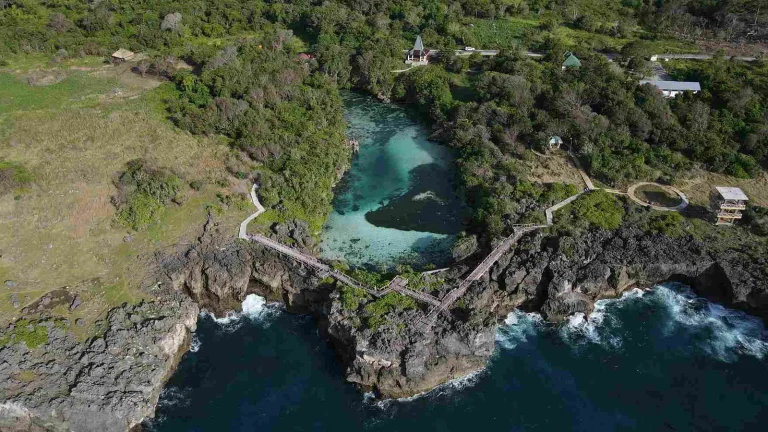
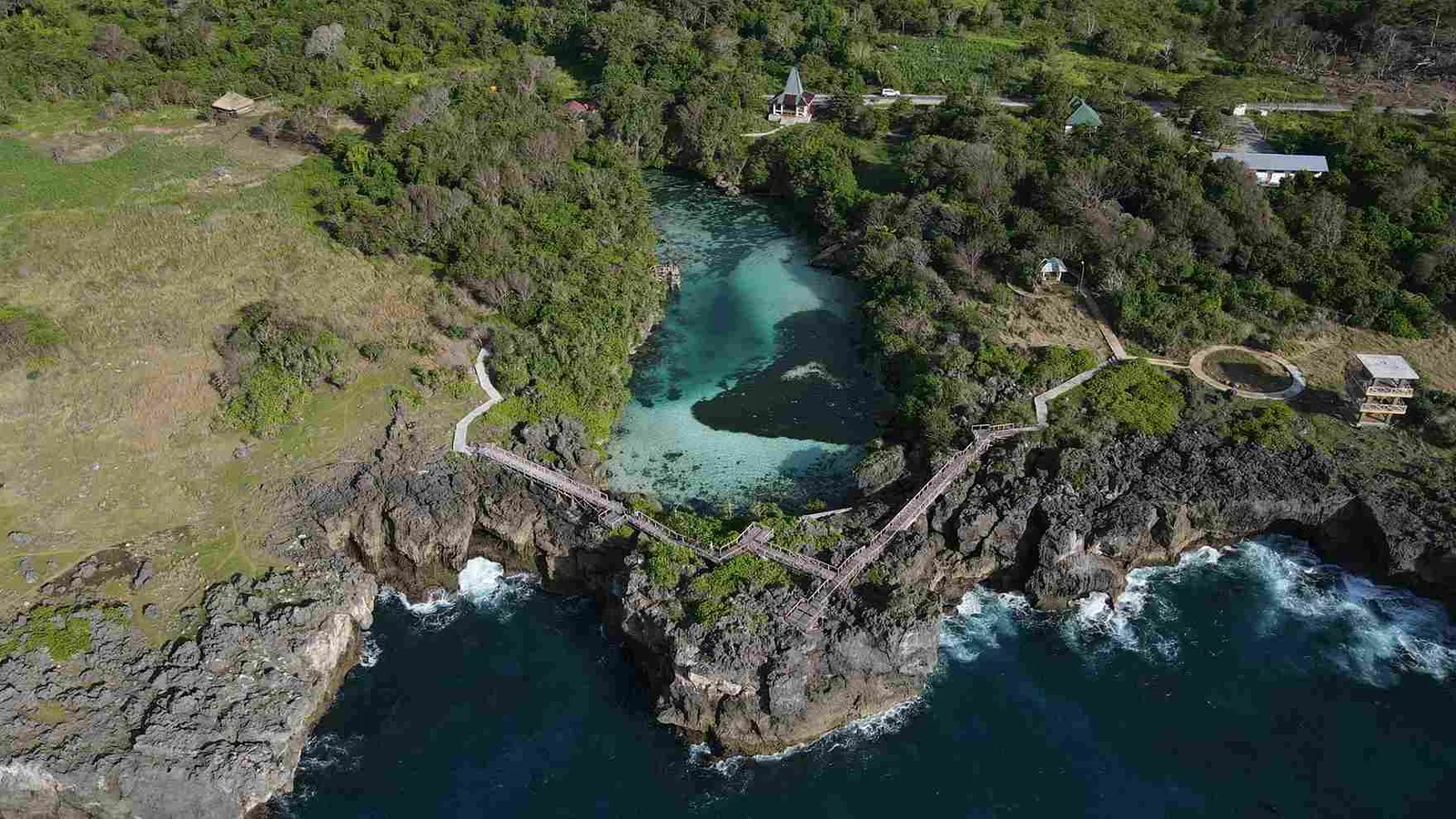
While Sumba’s coastlines are dramatic, its interior hides wonders of a different sort. Today’s exploration focuses on the island’s unique hydrological features. The first destination is Weekuri Lagoon, located about a 90-minute drive from the main resort areas in the southwest. This is a spectacular natural swimming pool—a saltwater lagoon fed by the ocean through porous rock. The water is impossibly clear, shifting between shades of turquoise and emerald green, and significantly saltier and more buoyant than the sea just meters away. It’s a geological marvel, and a morning swim here feels like a dip in a lost world. The site is managed by the local community, and your visit directly contributes to their economy, an important aspect of responsible tourism.
From the tranquil lagoon, the journey continues inland to Lapopu Waterfall. Reaching it involves a short trek through a lush jungle environment, the air growing cooler and thicker with mist as you approach. At 90 meters, Lapopu is not a sheer drop but a powerful, tiered cascade that thunders into a deep, swimmable pool. The force of the water is immense, and swimming near the base is a powerful, elemental experience. The highlight of the day is often not the sites themselves, but the way they are experienced. Instead of a crowded tourist lunch spot, your guide will have arranged a private, gourmet picnic. Imagine a table set with fine linens and a chef-prepared meal of grilled fish and fresh salads, enjoyed in solitude by the riverbank. This is the difference between seeing Sumba and truly experiencing its luxury potential. Planning these intricate details is covered extensively in The Definitive Sumba Concierge Guide.
Days 5 & 6: The Savannahs of the East and the Threads of Life
To fully grasp the island’s diversity, a journey from West to East Sumba is essential. The four-hour overland transfer is an experience in itself, as the landscape transforms from the lusher, more populated west to the arid, rolling savannahs of the east. These vast, cinematic landscapes, dotted with grazing wild horses, feel more like the plains of East Africa than a tropical island. Your destination here is a property like Lelewatu Resort, perched on a cliffside with commanding views of the ocean, offering a different but equally luxurious perspective on the island. Day 5 is for settling in and absorbing this new environment, perhaps with a trek through the iconic Wairinding Hills at sunset, when the fading light turns the undulating grasslands to gold.
Day 6 is dedicated to Sumba’s most revered art form: the hand-woven textile known as Ikat. This is not mere craft; it is a narrative, a spiritual practice passed down through generations of women. A private visit is arranged to a master weaver in a village like Rende, famous for its powerful motifs and use of natural dyes. Here, you will witness the painstaking process, from spinning the cotton and preparing the indigo and morinda root dyes to the complex tying process that creates the pattern. A single, high-quality Ikat can take a woman anywhere from six months to several years to complete, and the final piece can command prices upwards of $10,000 USD. Each motif—a horse for heroism, a crocodile for royalty, a skull tree for courage—has a deep meaning. Holding one of these textiles, you can feel the time, skill, and spirit woven into every thread. It’s a profound connection to the island’s cultural currency.
Day 7: A Final Sunrise and a Thoughtful Departure
The final morning in Sumba is for reflection. An early sunrise yoga session on a private deck overlooking the Savu Sea is the perfect way to absorb the week’s experiences. The silence of East Sumba is different from the West—it is a vast, expansive quietude. After a final Sumbanese breakfast, featuring the island’s famously robust coffee, it is time for the transfer to Waingapu’s Umbu Mehang Kunda Airport (WGP) for your departure. As you travel, it’s worth reflecting on the model of tourism you’ve participated in. The high-end resorts on the island are deeply invested in the local community through initiatives like the Sumba Foundation, which has been instrumental in drilling wells for clean water, opening health clinics, and eradicating malaria, reducing its incidence by over 93% in recent years. This synergy between luxury and philanthropy ensures that your visit contributes positively to the preservation of the island’s culture and the well-being of its nearly 800,000 inhabitants.
Your journey has been more than a vacation; it has been a dialogue with one of the world’s most intact and fascinating cultures, as documented by organizations like Indonesia’s official tourism board. You leave not just with memories of beautiful landscapes, but with a deeper understanding of the Marapu way of life, the weight of a hand-woven Ikat, and the taste of salt from a hidden lagoon. This is the true reward of a well-crafted Sumbanese journey.
Quick FAQ for Your Luxury Sumba Itinerary
What is the best time of year to visit Sumba? The dry season, from April to October, offers ideal weather with average temperatures around 27-30°C and minimal rainfall, perfect for exploring. However, for a unique cultural spectacle, consider the wet season months of February and March to witness the annual Pasola festival.
How do I get to Sumba? The most common route is a 60- to 90-minute flight from Denpasar, Bali (DPS) to either Tambolaka (TMC) in West Sumba or Waingapu (WGP) in the East. For ultimate convenience and to avoid commercial airline schedules, private charters can be arranged. For a complete overview of travel logistics, our Definitive Sumba Concierge Guide is an invaluable resource.
Is Sumba safe for luxury travelers? Absolutely. When your travel is managed by a reputable operator, safety is paramount. Premier resorts feature comprehensive security, and using a private guide and driver ensures you can navigate remote areas and cultural sites safely and respectfully, avoiding any potential misunderstandings.
What does a luxury trip to Sumba cost? The investment varies greatly based on accommodation choice and the level of customization. Top-tier resorts can range from $1,000 to over $3,000 USD per night, with private, multi-day guided excursions adding to the total. Our Sumba Concierge Pricing & Cost Guide offers a detailed breakdown of potential expenses.
Sumba is not a destination you simply visit; it’s an experience you orchestrate. It challenges, inspires, and ultimately changes you. The island’s raw beauty and profound culture are accessible, but only to those who approach it with respect, curiosity, and the right guidance. To begin crafting your own bespoke journey into the land of the Marapu, connect with the experts at sumba concierge. Our deep local knowledge and unwavering commitment to seamless luxury are the first steps in your expedition to Indonesia’s final frontier.
Keep Reading
Travel Guides
The 2027 Early-Booking Guide to Bali and Komodo: Lock In the Best Dates
Planning a trip to Bali and Komodo in 2027? Early booking is essential to ensure you snag the best experiences…
Travel Guides
Bali to Labuan Bajo: The Easiest Way to Reach Komodo in 2026
Traveling from Bali to Labuan Bajo is a gateway to the stunning Komodo National Park, home to the famous Komodo…

Travel Guides
Bali Luxury Transfers: Premium vs. Standard for Families and Groups (2027 Guide)
For families and groups in Bali, choosing between premium and standard private transfers significantly impacts comfort and convenience. While standard…