
Planning a Sumba Private Tour in August: What to Expect
- Ideal Climate: Expect minimal rainfall, low humidity, and average temperatures around 27°C (81°F), perfect for active discovery.
- Cultural Immersion: While the main Pasola festival has passed, August is a key time for harvest-related Marapu ceremonies and rituals.
- Peak Season Logistics: This is high season, meaning advance booking of at least 6-9 months is crucial for securing top guides and accommodations.
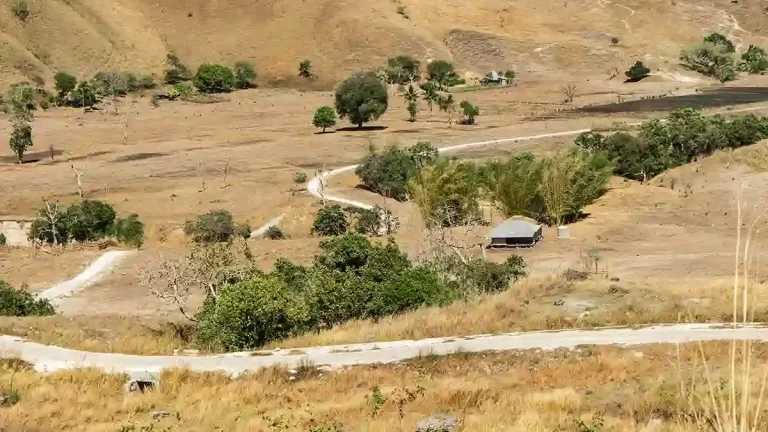
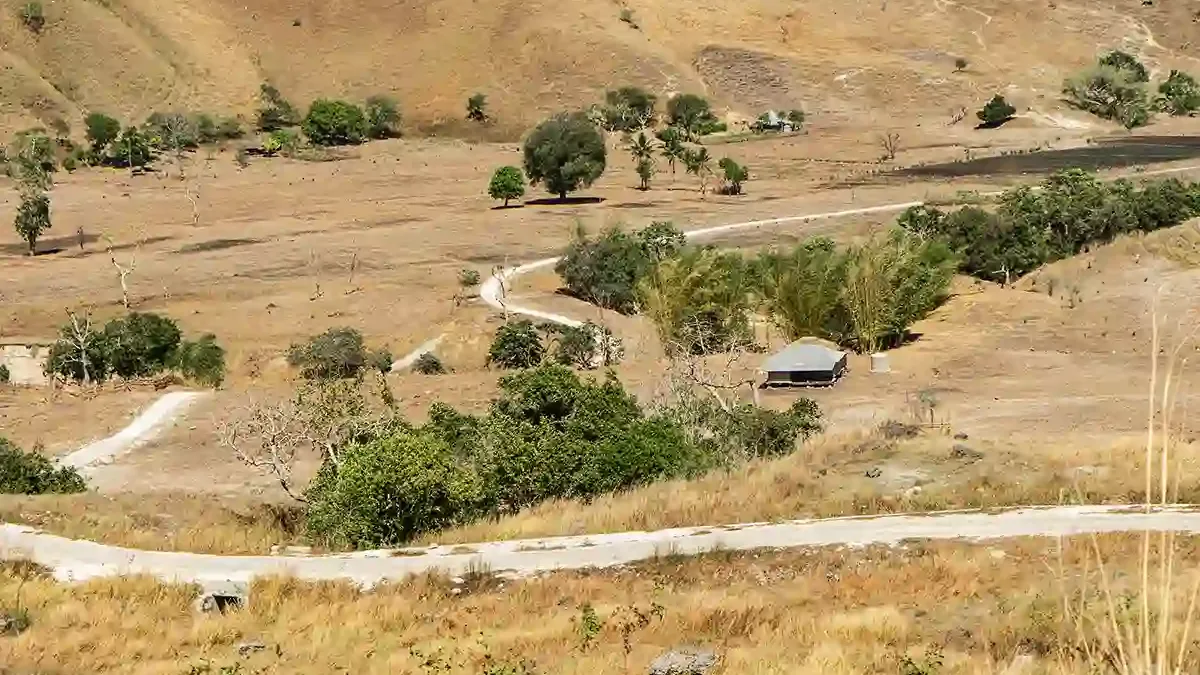
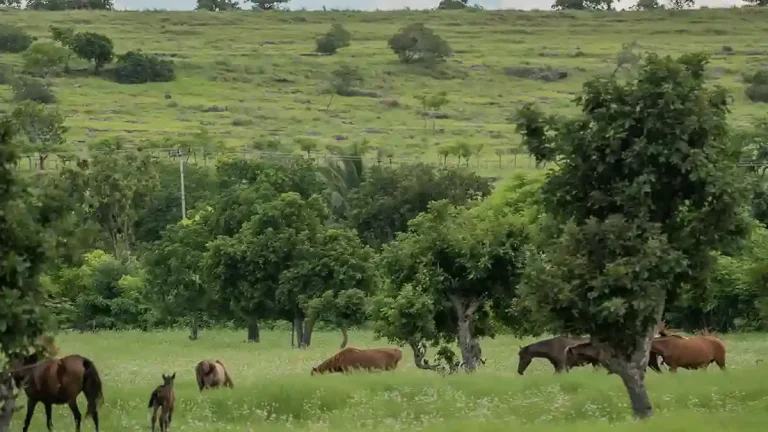
The air is different in August. It hangs, warm and dry, carrying the scent of parched sandalwood and the distant tang of the Indian Ocean. From the open-sided Land Cruiser, the Sumba landscape unspools not as a riot of green, but as a of gold and ochre. The undulating hills, baked to a perfect crisp under a cloudless sky, resemble the plains of East Africa more than a typical Indonesian island. In a small village, the rhythmic clack of a wooden loom provides the day’s percussion, a sound that has echoed through these valleys for centuries. This is the sensory signature of a sumba private tour in august—a time when the island’s raw, powerful beauty is distilled to its very essence.
Decoding August’s Climate and Landscape
From a meteorological standpoint, August is Sumba’s apex. It represents the absolute peak of the dry season, a period that typically stretches from May to October. For the traveler, this translates into a blissful succession of sun-drenched days, with an average of 9 hours of sunshine and virtually zero risk of weather-related disruptions to your itinerary. The oppressive humidity of the wet season is a distant memory; instead, you’ll find daytime temperatures hovering around a comfortable 30-32°C (86-90°F), which then recede to a pleasant 22-24°C (72-75°F) after sunset, often warranting a light cashmere wrap for evening cocktails. This climatic stability makes August the single most reliable month for exploration. Treks to remote waterfalls are safer, drives along the island’s winding roads are unimpeded, and every planned beach excursion proceeds under brilliant blue skies. The landscape itself transforms. The verdant greens of January are replaced by a stark, majestic beauty. The vast savannahs of East Sumba, particularly around Puru Kambera, become a sea of burnished gold, punctuated by the silhouettes of grazing Ongole cattle—a photographer’s dream. This isn’t the lush, tropical cliché; it’s a more profound, elemental landscape that speaks to the island’s rugged spirit.
The Cultural Pulse: Post-Pasola and Marapu Rituals
While the famed Pasola festival—a spectacular ritual battle fought on horseback—reaches its fever pitch in February and March, the cultural heart of Sumba beats strongly through August. This period often coincides with the end of the harvest and is a time for gratitude, community gatherings, and significant Marapu ceremonies. The Marapu belief system, an ancient animist religion still practiced by more than half of the island’s 750,000 inhabitants, governs every facet of life and death. August can be a time for elaborate funerary ceremonies, where immense megalithic stones, some weighing over 70 tons, are dragged by hundreds of men to their final resting place. Witnessing such an event—an authentic, un-staged display of communal effort and spiritual devotion—is a profoundly moving experience. Access, however, is not automatic. As my long-time guide, Cornelius, always reminds me, “You do not simply show up to a ceremony. You are invited. It requires respect, understanding, and a relationship with the community.” This is precisely where the value of a curated private tour becomes evident. A well-connected local expert from a service like sumba concierge can navigate the intricate social etiquette, arrange for appropriate offerings (like betel nut), and provide the nuanced translation that transforms you from a mere spectator into a respectful guest. This is the key to unlocking the island’s soul, moving beyond surface-level tourism to engage with a living, breathing culture that has resisted the homogenizing forces of the modern world.
Curating Your Itinerary: West vs. East Sumba in the Dry Season
Sumba is substantially larger than it appears on a map, stretching approximately 210 kilometers from east to west. A common mistake is underestimating travel times; a 60-kilometer journey can easily take two hours on its winding, albeit improving, roads. A well-structured itinerary is therefore paramount. For a sumba private tour in august, I typically recommend a 7 to 10-day trip with a split focus. Start in the West, the cultural cradle of the island. This region, centered around Waikabubak, is famed for its iconic villages like Ratenggaro and Tosi, where traditional houses with towering, 25-meter-high thatched roofs pierce the sky. In August, the brilliant sun makes the turquoise water of Weekuri Lagoon almost impossibly vibrant, and the secluded cove of Mandorak Beach is at its most serene. After 4 or 5 days, journey east. The 4-hour drive itself is a destination, as the landscape shifts from rolling green hills to the expansive, arid savannahs that define the East. This region is home to some of the world’s most sophisticated Ikat textiles and the impressive stone tombs of ancient kings in villages like Rende. The dry season also makes accessing certain natural sites easier. Waimarang waterfall, for instance, might have a reduced flow compared to the wet season, but the trek in is far less treacherous, and the pool at its base remains a perfect, cool sanctuary. For a deeper crafting a balanced journey, The Definitive Sumba Concierge Guide offers an excellent framework for understanding the island’s distinct personalities and logistical demands.
Accommodation and Logistics: Securing Your Sanctuary
Planning a trip to Sumba in August requires foresight, particularly concerning accommodations. The island’s luxury tourism infrastructure is exquisite but limited. World-renowned resorts like NIHI Sumba, with its 28 hyper-private villas, and exceptional properties such as The Sanubari and Lelewatu Resort, are often fully committed 9 to 12 months in advance for the peak July-August period. This is not a destination for last-minute arrangements. Securing your preferred villa, especially one with a coveted sunset view over the Indian Ocean, is the first and most critical step. Beyond the hotel booking, the logistics of a Sumba journey are complex. A private, air-conditioned 4×4 vehicle with an experienced local driver is not a luxury; it is an absolute necessity for island’s terrain and reaching its most compelling sites. This is where the expertise of a dedicated planner is invaluable. They manage the seamless flow of your journey, from airport transfers at Tambolaka (TMC) or Waingapu (WGP) to coordinating with local village elders for access. The financial investment for such a trip is significant, and understanding the components is important. A detailed breakdown in a resource like the Sumba Concierge Pricing & Cost Guide can demystify the expenses, clarifying how costs for expert guides, private transport, exclusive access, and five-star lodging coalesce into the final price. In August, you are paying a premium for perfect weather and peak conditions, and ensuring every logistical detail is flawlessly executed is the key to a worthy return on that investment.
Beyond the Obvious: Exclusive August Experiences
The true luxury of a private tour lies in the experiences that are not listed in any guidebook. In August, the dry, sunny weather opens up unique opportunities for those with the right connections. I once arranged for a client to spend an afternoon with Ibu Rambu, a master weaver in East Sumba whose family has produced royal-grade Ikat for generations. The dry air is ideal for the dyeing process, and we watched as she worked with natural indigo and morinda root, a craft that can take over a year to produce a single piece valued at over $15,000. Another time, through our local fixer, we were able to facilitate a private consultation with a Rato, a Marapu high priest, to understand the philosophies behind the upcoming harvest rituals. For the more active traveler, August offers some of the most consistent surf swells on the south coast. While NIHI has its famous “Occy’s Left,” a great guide can take you to empty breaks where you can have world-class waves entirely to yourself. These are not standard tour package items. They are born from years of relationship-building and a deep, granular knowledge of the island. It could be a private picnic on a completely deserted stretch of Marosi Beach or a guided visit to a local market on its busiest day, not as a tourist, but as a guest of a local family. This is the difference between seeing Sumba and truly experiencing it. This level of curated access is the core philosophy behind the journeys designed by sumba concierge, transforming a vacation into a genuine expedition.
Quick FAQ
Is August too crowded in Sumba?
While August is climatically the peak season, Sumba’s vastness and nascent tourism infrastructure mean it never feels crowded in the way Bali or the Gili Islands do. With a private guide, it’s common to have entire beaches, villages, and waterfalls to yourself. The “crowds” are concentrated at the few luxury resorts, but your daily explorations will feel wonderfully exclusive.
What should I pack for Sumba in August?
Focus on lightweight, breathable fabrics like linen and cotton for the daytime. Include swimwear, reef-safe sunscreen, a wide-brimmed hat, and polarized sunglasses. For village visits, modest attire is crucial; a high-quality sarong is indispensable for respectfully covering shoulders and knees. Evenings can be surprisingly cool, so a light sweater or pashmina is highly recommended. Sturdy walking shoes are essential for treks.
Are mosquitoes a concern during the dry season?
Mosquito populations are significantly lower in the dry month of August. However, according to the CDC, Sumba is a malaria-risk area. It is imperative to consult your travel physician about anti-malarial prophylaxis before your trip. Always use an effective insect repellent, especially during dawn and dusk, as a precaution.
How does the cost of a private tour in August compare to other months?
August is unequivocally the high season in Sumba. Consequently, flight prices and accommodation rates will be at their highest point. You can expect to pay a 20-30% premium compared to the shoulder seasons (April-May, September-October). For a comprehensive analysis of how seasonality impacts your budget, our Sumba Concierge Pricing & Cost Guide provides an invaluable and transparent overview.
Sumba in August is the island at its most elemental and charismatic. It is a land of stark contrasts: of brilliant sun and ancient shadows, of rugged landscapes and refined hospitality. Navigating this captivating world requires more than just a booking; it demands expertise, respect, and a genuine connection to the place. It requires a partner who understands the subtle rhythms of the island and can unlock its most protected secrets. To craft an itinerary that transcends the typical and captures the soul of Sumba during its most compelling month, begin your conversation with the specialists at Sumba Concierge.
Keep Reading
Sustainable Tourism
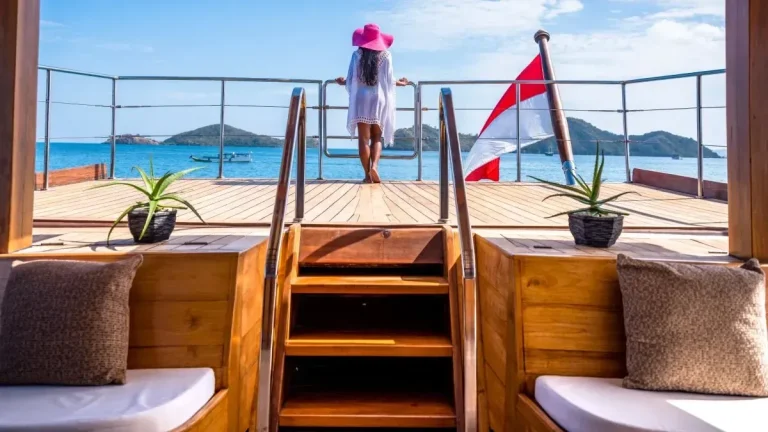
Labuan Bajo Luxury Travel: A 2027 Primer (Part 7)
Labuan Bajo offers an unparalleled luxury travel experience in 2027, especially for those looking to explore its stunning marine parks…
Sustainable Tourism
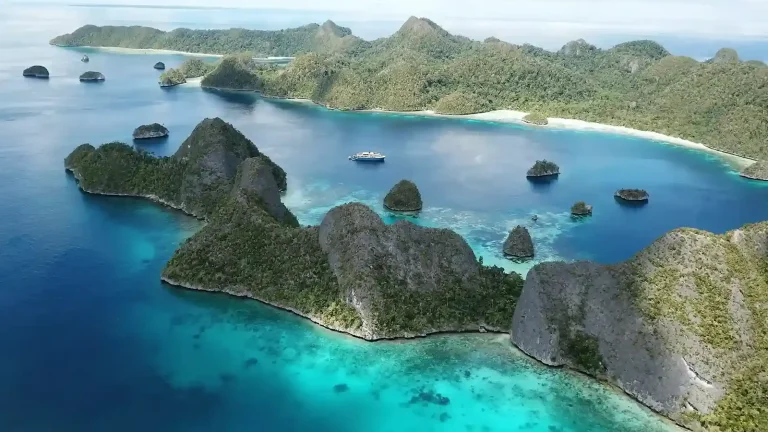
Sumba & Raja Ampat: Your 2027 Luxury Travel Planning Checklist
Planning a luxury escape to Sumba and potentially beyond requires meticulous attention to detail, particularly for 2027. This checklist provides…
Sustainable Tourism
Sustainable and ethical travel with a Sumba concierge
Understanding Sustainable and Ethical Travel with Sumba Concierge Sustainable travel encompasses a conscious effort to minimize our environmental impact while…