
The Best Time for a Sumba Luxury Travel Experience
- Peak Season (June-August): Delivers perfect weather for beaches and surfing, coinciding with vibrant local festivals.
- Shoulder Months (May, September-October): Provide an ideal balance of excellent weather, fewer visitors, and greater value.
- Green Season (November-April): Showcases lush, dramatic scenery and hosts the iconic Pasola festival for adventurous travelers.
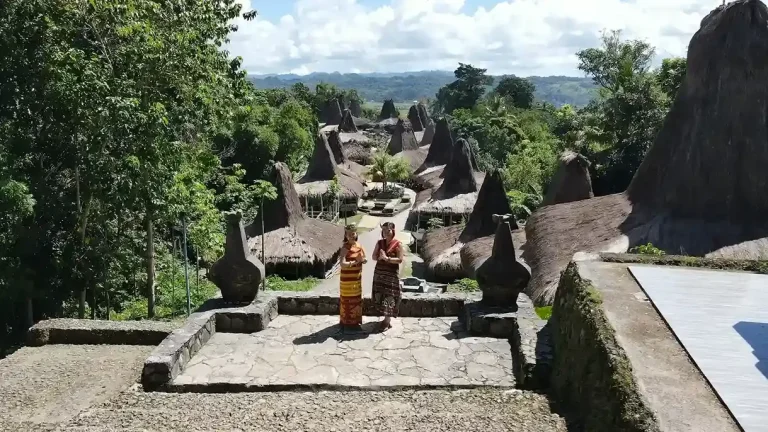
The air hangs heavy and warm, thick with the scent of dried grasses and a faint, sweet whisper of sandalwood from a distant village. In the shade of a soaring, pointed roof characteristic of Sumbanese architecture, the rhythmic thwack-clack of an ikat loom is the only sound that punctuates the afternoon calm. This is Sumba, an island that operates on a different rhythm, dictated not by the clock, but by the sun, the rains, and the arcane wisdom of Marapu priests. Deciding when to arrive is less a matter of meteorological convenience and more about choosing which version of this enigmatic island you wish to encounter. A truly exceptional sumba luxury travel experience hinges on this timing, aligning your desires with the island’s ancient pulse.
Decoding Sumba’s Seasons: Beyond a Simple Wet and Dry
Most travel guides will distill Sumba’s climate into a simple binary: the dry season from May to October and the wet season from November to April. While technically accurate, this oversimplification fails to capture the nuance that defines a high-end journey here. Sumba, an island stretching over 11,000 square kilometers—roughly double the landmass of Bali—possesses distinct microclimates that a discerning traveler must understand. The eastern part of the island, with its vast, arid savannas, receives significantly less rainfall than the more verdant and hilly west. Throughout the year, daytime temperatures remain consistently tropical, hovering between 27 and 32 degrees Celsius, but the feel of that heat changes dramatically with the humidity.
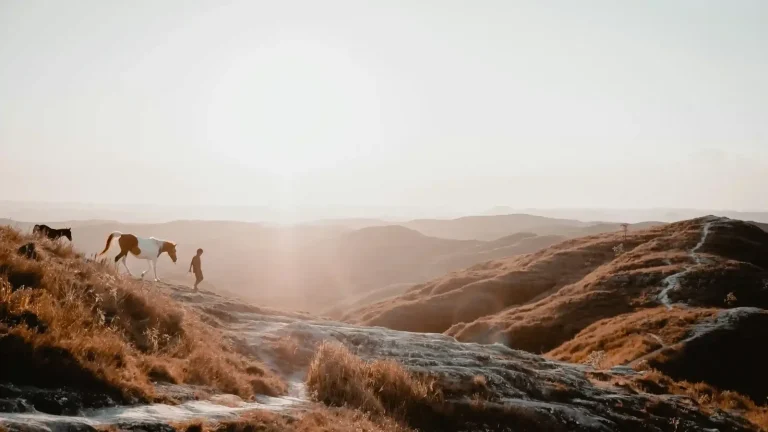
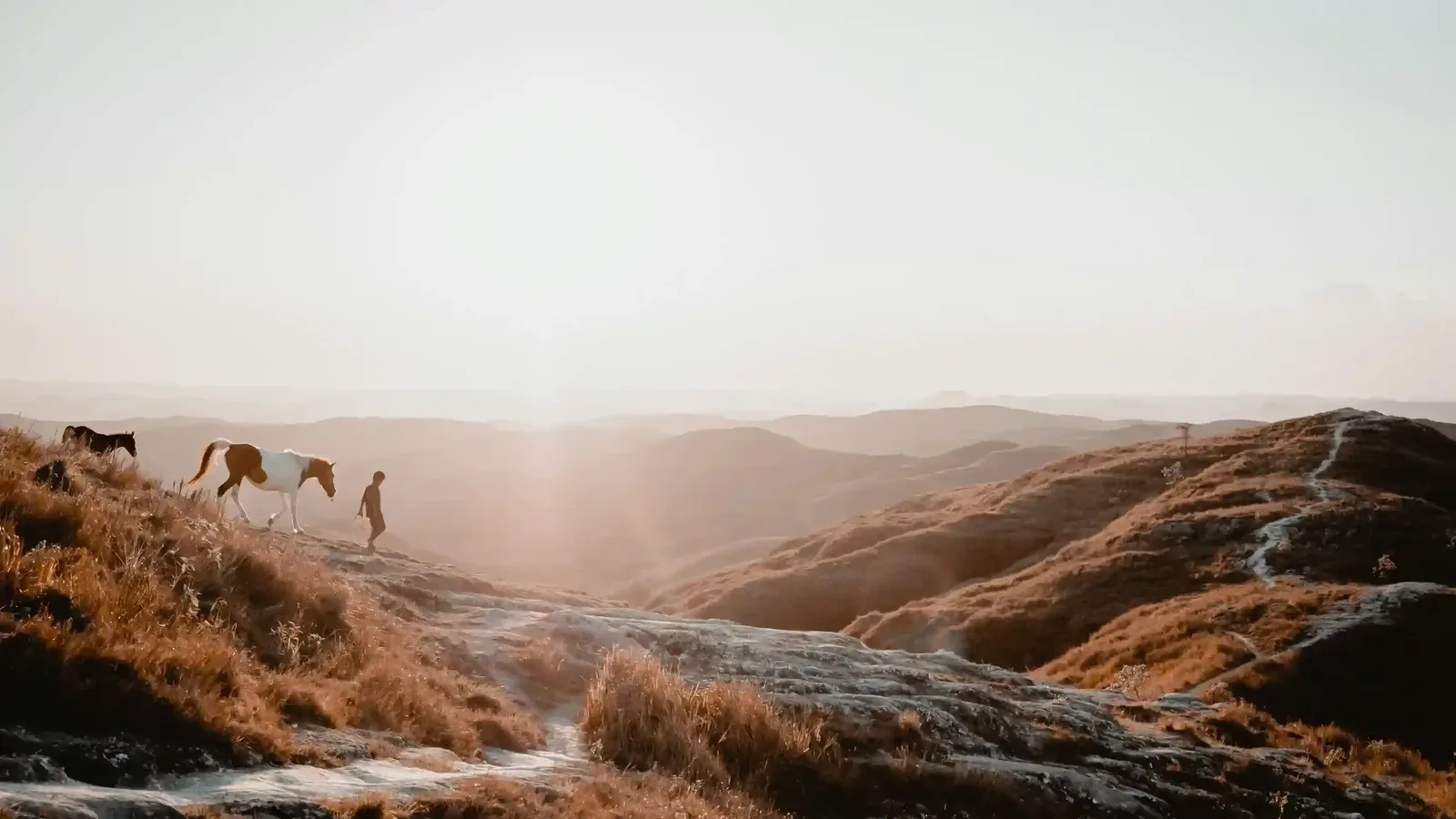
The dry season, particularly from June to August, is when the island takes on its iconic aesthetic: rolling hills of gold beneath an impossibly vast blue sky. This is the Sumba of postcards. The shoulder months, May and September, offer a compelling alternative. In May, the landscape retains a lush, emerald vibrancy from the preceding rains, while September offers the classic dry-season look but with fewer visitors. As I once discussed with a local guide, a man whose family has mapped the island’s moods for generations, “September is the month for those who want the sun without the audience.” Understanding these subtle shifts is paramount, a topic we explore in greater detail in The Definitive Sumba Concierge Guide. It’s the difference between a great holiday and a truly transformative one.
The Peak Dry Season (June to August): Sun, Surf, and Society
For those whose vision of a Sumba escape involves cloudless skies, world-class surf, and the gentle hum of a fully-serviced luxury resort, the peak dry season from June through August is the undeniable choice. During these months, the weather is at its most stable, making it the prime time for overland expeditions to remote villages and hidden waterfalls without the concern of impassable roads. The ocean is typically calm and crystalline, ideal for diving, snorkeling, and exploring the dramatic coastline by private boat. For the global surfing community, this period is legendary. The consistent southwest swells create perfect conditions at breaks like the famed “Occy’s Left,” a wave so exclusive that access is managed by the adjacent NIHI Sumba resort, which has been voted the world’s best hotel multiple times.
This idyllic climate comes with a caveat: demand. This is the high season for tourism across Indonesia, and Sumba’s limited collection of elite properties—NIHI’s 27 villas and the cliff-top suites at Lelewatu—are booked many months, sometimes over a year, in advance. The atmosphere is more social, the energy more palpable. But for those seeking absolute solitude, it may feel comparatively busy. Planning for a journey during this window requires significant foresight. As our Sumba Concierge Pricing & Cost Guide illustrates, rates for villas and private charters are at their apex. To secure your preferred dates and experiences, we at sumba concierge recommend initiating the planning process at least 9 to 12 months prior to your intended travel. The reward is Sumba in its most classically perfect, sun-drenched form.
The Shoulder Seasons (May, September & October): The Insider’s Choice
Among seasoned travelers and Sumba aficionados, there’s a widely held secret: the shoulder seasons are the island’s true sweet spot. Spanning May, September, and October, these months offer a sublime compromise, blending the favorable weather of the dry season with a palpable sense of tranquility and exclusivity. In May, the last of the wet season’s rains have given way to sunshine, leaving the island’s undulating hills cloaked in a spectacular, almost iridescent green. It’s a photographer’s dream, a landscape bursting with life before the intense sun bakes the grasses to their signature gold. Conversely, September and October provide the quintessential dry season aesthetic—ochre-hued savannas and brilliant turquoise seas—but the peak season crowds have dissipated, returning a profound quietude to the island’s most coveted beaches and cultural sites.
This is the ideal time for deep cultural immersion. Visiting traditional villages like Ratenggaro, with its sky-high thatched roofs, or the stone megaliths of Praijing becomes a more personal, less performative experience. You can observe the intricate process of ikat weaving or the daily rituals of the Marapu people without intrusion. From a logistical standpoint, the shoulder season offers greater flexibility and often, better value. While the top-tier resorts remain in high demand, there is more availability, allowing for more spontaneous itinerary adjustments. According to Indonesia’s official tourism board, these months represent a perfect balance for visitors seeking both adventure and serenity. Crafting a sumba luxury travel experience during this period means enjoying the island at its most relaxed and accessible, a strategy we often recommend to our most discerning clients.
The Green Season (November to April): A Calculated Venture for the Adventurous
To dismiss the months from November to April as simply the “wet season” is to miss one of Sumba’s most dramatic and culturally significant chapters. We prefer to call it the Green Season. This is when the island undergoes a radical transformation. The parched, golden hills drink in the daily rains—often short, intense afternoon downpours—and explode into a thousand shades of emerald. The air is electric, the waterfalls thunderous, and the landscapes possess a raw, primal beauty. This period is not for the faint of heart; travel can be challenging. Unpaved roads may become temporarily impassable, and outdoor activities require a flexible schedule built around the weather. Yet, for the right kind of traveler, the rewards are immense.
The primary allure of the Green Season is cultural: the chance to witness the Pasola festival. This ancient and visceral ritual, taking place in February or March, is a mock battle fought on horseback by two teams of spear-wielding warriors. As noted by sources on cultural heritage, the event is tied to the Marapu belief system, and any bloodshed is believed to fertilize the land and guarantee a bountiful harvest. The exact dates are a closely guarded secret, determined by local priests based on the full moon and the arrival of the *nyale* sea worms. Attending Pasola is a complex undertaking that requires deep local connections to navigate the logistics and cultural protocols. It’s an experience that is raw, untamed, and utterly unforgettable—the very definition of adventure travel, and something a service like sumba concierge is uniquely equipped to arrange.
Aligning Your Journey with Sumba’s Cultural Calendar
Beyond the spectacle of Pasola, Sumba’s calendar is rich with ceremonies and rituals that offer a profound window into its unique culture. Timing your visit to coincide with these events can elevate a trip from a simple vacation to a deeply meaningful cultural exchange. One of the most significant is the *Wula Podu*, a “bitter month” of fasting and purification that takes place in the region around Kodi, typically in October or November. During this time, the community observes strict taboos and performs a series of rites to cleanse the village and honor the ancestors. It’s a solemn and powerful period, and while direct participation is restricted, being present in the region offers a unique insight into the depth of Marapu traditions.
Throughout the year, but more frequently in the dry season when resources are plentiful, Sumbanese communities hold elaborate funeral ceremonies. These are not somber affairs but multi-day celebrations of life, involving the sacrifice of buffaloes and pigs, intricate processions, and the reaffirmation of clan ties. The cost and complexity of these events are substantial, often detailed in anthropological studies and reflected in our own Sumba Concierge Pricing & Cost Guide when arranging respectful observation for clients. Access to such intimate events is not guaranteed; it is based entirely on relationships and a deep understanding of local etiquette. As detailed in our comprehensive The Definitive Sumba Concierge Guide, working with a trusted fixer is non-negotiable for anyone serious about experiencing this side of the island authentically and respectfully.
Quick FAQ: Your Sumba Timing Questions Answered
What is the absolute best month for a first-time visitor?
For a first-time luxury traveler to Sumba, I would unequivocally recommend September. It offers the best of all worlds: the sun-drenched, golden landscapes of the peak dry season are still present, but the main tourist crowds have thinned. The weather is stable and beautiful, yet there’s a renewed sense of calm and exclusivity across the island.
Is Sumba a good destination for a Christmas or New Year’s trip?
It can be, provided your expectations are set correctly. December and January are the height of the Green Season, meaning you should anticipate daily rain showers, typically in the afternoons. It’s an ideal time for a villa-centric holiday focused on wellness, relaxation, and enjoying the dramatic, lush scenery from your five-star accommodation. However, extensive overland travel or beach-hopping might be compromised.
How far in advance should I book to attend the Pasola festival?
For Pasola, which occurs in February or March, you must plan at least 12 to 18 months in advance. Accommodation in West Sumba is extremely scarce, and the best local guides and drivers are secured very early. The logistics are complex, as the final dates are only announced a few weeks prior. This is an event where leveraging a dedicated Sumba specialist is not just a luxury but a necessity.
Does the “best time” differ for surfing versus cultural exploration?
Yes, significantly. Surfers seeking the powerful, consistent swells Sumba is famous for should target the peak dry season, from June to August. For travelers whose primary focus is cultural immersion—visiting villages, observing ceremonies, and meeting local artisans—the shoulder seasons of May, September, and October are superior. The weather is more comfortable for walking, and you’ll encounter fewer other tourists at key heritage sites.
Ultimately, the “best time” to visit Sumba is not a date on a calendar but a reflection of your personal travel philosophy. Do you seek the sun-drenched perfection of the dry season, the vibrant cultural of the festival months, or the lush, contemplative solitude of the green season? Each period offers a distinct and powerful version of the island. Navigating these choices and unlocking the experiences hidden within each season requires more than a simple booking; it requires expertise and on-the-ground intelligence. To begin crafting your perfectly timed Sumba itinerary, connect with the experts at sumba concierge. Our team possesses the deep, local knowledge to transform your vision into an journey.
Keep Reading
Cultural Insights
The 2027 Early-Booking Guide to Bali and Komodo: Lock In the Best Dates
Planning your 2027 trip to Bali and Komodo? Securing your dates early is key, especially with new visitor caps in…
Cultural Insights
Food, cafes and nightlife: where to eat and drink in Sumba
Food, Cafes, and Nightlife: Where to Eat and Drink in Sumba Sumba, an enchanting island in Indonesia, offers a rich…
Cultural Insights
Permits, entry fees, etiquette and local rules in Sumba
Understanding Sumba: Your Guide to Permits, Fees, and Local Etiquette Sumba, an enchanting island in Indonesia, is known for its…