Best Time for Sumba Concierge

The best time for Sumba Concierge experiences largely depends on your desired activities and preferred atmosphere. While the dry season (May to October) offers ideal weather for beach activities and surfing, the wet season (November to April) reveals a lush, vibrant Sumba with fewer crowds and unique cultural festivals.

  • Dry Season (May – October): Perfect for pristine beaches, surfing, diving, and optimal visibility.
  • Shoulder Season (April & November): A balance of good weather, fewer crowds, and attractive pricing.
  • Wet Season (December – March): Experience Sumba’s verdant landscapes, cultural events like Pasola, and exceptional value.

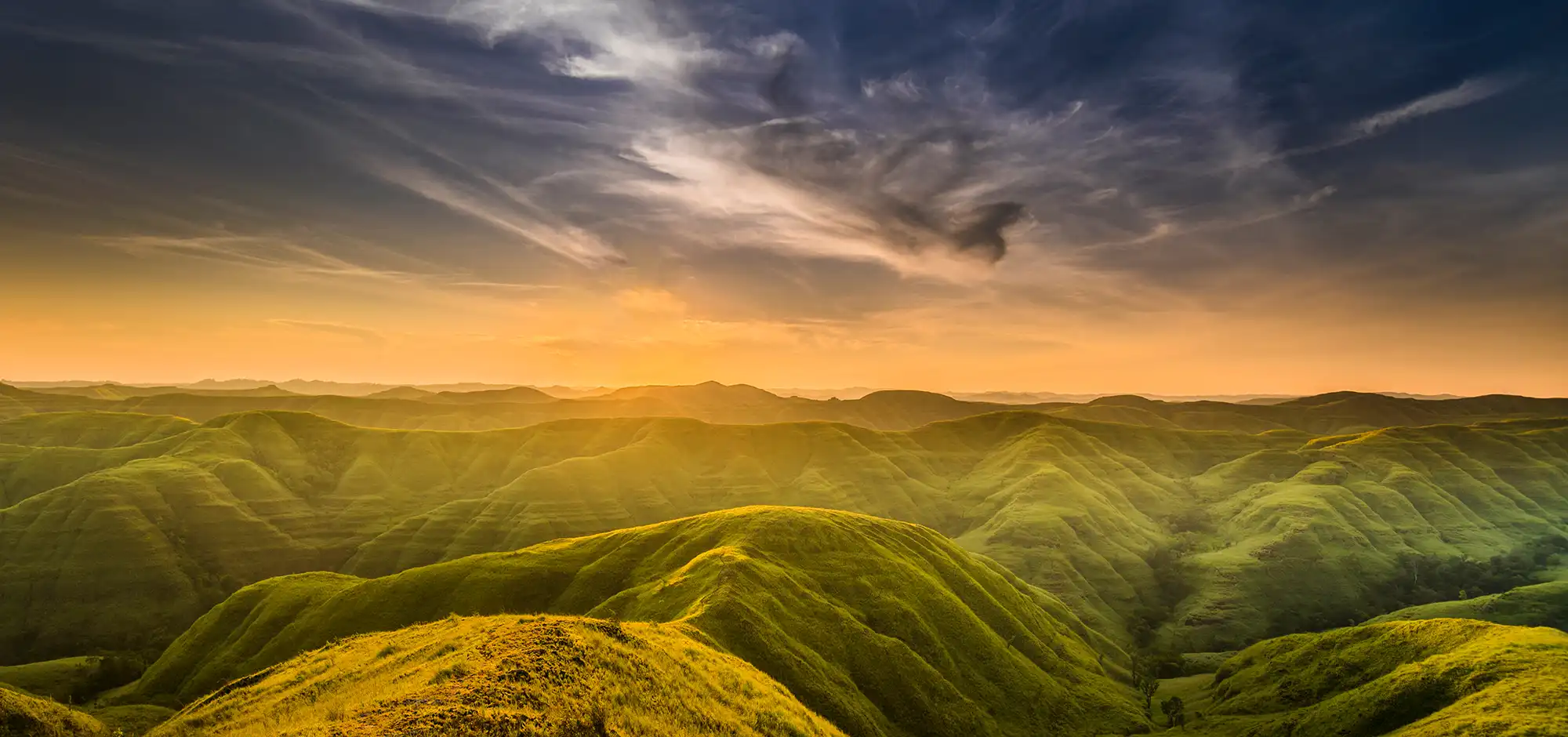
Imagine the sun warming your skin as you gaze across an untouched beach, the rhythmic crash of waves a soothing soundtrack to your morning coffee. Picture emerald rice paddies shimmering under a soft tropical rain, the air thick with the scent of damp earth and blooming frangipani. Sumba, an island of ancient traditions and unparalleled natural beauty, shifts its character with the seasons, each offering a distinct tapestry of experiences. For the discerning traveler planning an escape with sumba concierge, understanding these seasonal nuances is key to curating your perfect journey.

The Dry Season Zenith: May to September

From May through September, Sumba truly unfurls its postcard-perfect persona. This period marks the island’s dry season, characterized by abundant sunshine, minimal rainfall, and consistently comfortable temperatures hovering around 28-30°C (82-86°F). The humidity drops significantly, making long days exploring the island’s rugged interior or lounging by an infinity pool incredibly pleasant. Skies are typically clear, painted in brilliant blues, providing ideal conditions for photography and outdoor adventures. This is the peak season for international visitors, so expect a vibrant atmosphere at luxury resorts and popular surf breaks, though Sumba’s vastness ensures tranquility is always within reach. Booking 6-9 months in advance is advisable for premium accommodations and bespoke sumba concierge services during these months.

Marine conditions during these months are nothing short of spectacular. The waters surrounding Sumba are calm and crystal clear, with underwater visibility often exceeding 25 meters (82 feet). This makes it an unparalleled time for diving and snorkeling, revealing vibrant coral gardens, diverse fish species, and majestic manta rays. Surfers flock to Sumba’s legendary breaks, with consistent swells and offshore winds creating world-class waves, particularly from June to August. Resorts often host special events and culinary experiences during this high-demand window, reflecting a lively, celebratory spirit. While prices are at their peak, averaging 20-30% higher than the low season, the impeccable weather and prime conditions justify the investment for many. The island sees an estimated 70% of its annual luxury tourism during this dry spell, a testament to its allure.

Surfing & Marine Life: May to August

For the avid surfer, May to August represents the pinnacle of Sumba’s wave season. Legendary breaks like Occy’s Left and The Wave at Nihiwatu are firing consistently, drawing an international crowd of experienced riders. The water temperature remains a balmy 27°C (81°F), making long sessions comfortable. Beyond the waves, the calm seas of May and September offer exceptional opportunities for deep-sea fishing charters, often yielding yellowfin tuna and marlin. Dive expeditions to the pristine reefs off the south coast are at their best, with sightings of reef sharks and sea turtles almost guaranteed. Sumba Concierge can arrange private yacht charters to explore secluded coves and hidden beaches, accessible only by sea, ensuring an exclusive and unforgettable marine adventure.

Cultural Festivals & Horse Racing: July to August

While the dry season is renowned for its natural beauty, July and August also occasionally host significant cultural events, particularly harvest festivals in local villages. These events offer a rare glimpse into Sumba’s animistic traditions, featuring elaborate ceremonies, traditional dances, and communal feasts. The famous Pasola festival, while primarily a wet season event, sometimes has smaller, localized precursors or related rituals during the dry months, depending on the lunar calendar and local village decisions. Witnessing these authentic celebrations provides a profound connection to the island’s heritage. The vibrant textile markets also thrive, showcasing intricate ikat weaving, a UNESCO Intangible Cultural Heritage. Plan your visit to coincide with these unique happenings for a truly enriching experience.

Shoulder Season’s Embrace: April & October

The shoulder months of April and October offer a compelling balance for those seeking ideal conditions without the peak-season crowds. In April, Sumba transitions from the wet season, shedding its rain-soaked cloak for increasingly sunny days. The landscapes remain incredibly lush and green, a vibrant contrast to the drier hues of August. Temperatures hold steady around 29-31°C (84-88°F), with humidity levels beginning to decrease. October, similarly, marks the gentle descent from the dry season, with occasional afternoon showers becoming more frequent towards the end of the month. These brief rains often clear quickly, leaving behind a refreshed landscape and stunning sunsets.

Marine conditions during the shoulder season remain excellent. While not as consistently calm as the peak dry months, the waters are still very inviting for swimming, snorkeling, and diving. Visibility averages 15-20 meters (50-65 feet), still ample for exploring Sumba’s underwater wonders. Surfing conditions can be fantastic, with fewer surfers in the lineup, offering more waves for those willing to brave slightly less predictable swells. Crowd levels are noticeably lower, often 30-40% less than the peak dry season, translating to a more serene and private experience at resorts and attractions. Pricing also becomes more attractive, with luxury accommodations often offering discounts of 10-15% compared to peak rates. This period is often favored by seasoned travelers seeking a more intimate and authentic engagement with the island, benefiting from the best of both worlds.

The Wet Season’s Verdant Charm: November to March

From November to March, Sumba transforms into an emerald paradise. This is the wet season, characterized by higher rainfall, increased humidity, and temperatures averaging 30-32°C (86-90°F). While some travelers shy away from the rain, those who embrace it discover a Sumba of unparalleled beauty. The landscapes burst with life, waterfalls cascade with vigor, and the air is fresh and invigorating. Rains typically come in heavy, short bursts, often in the late afternoon or overnight, leaving ample sunshine for morning activities. This is the island’s low season for tourism, meaning significantly fewer crowds and the most attractive pricing, with some luxury resorts offering discounts of up to 25-30%.

Marine conditions during the wet season are more variable. The seas can be choppier, and underwater visibility may drop to 5-10 meters (16-33 feet) due to runoff. However, surfing can still be excellent, especially on specific breaks that benefit from different wind patterns. For those less focused on marine activities, the wet season offers a unique opportunity for cultural immersion. The island’s vibrant agriculture thrives, and local village life hums with activity. This is the time when the famous Pasola festival often takes place, a spectacular ritualistic war game that draws thousands of Sumbanese and a privileged few travelers. Sumba Concierge can provide up-to-the-minute information on Pasola dates, which are determined by ancestral lunar calendars, typically in February or March.

Rainforest Rejuvenation: December to February

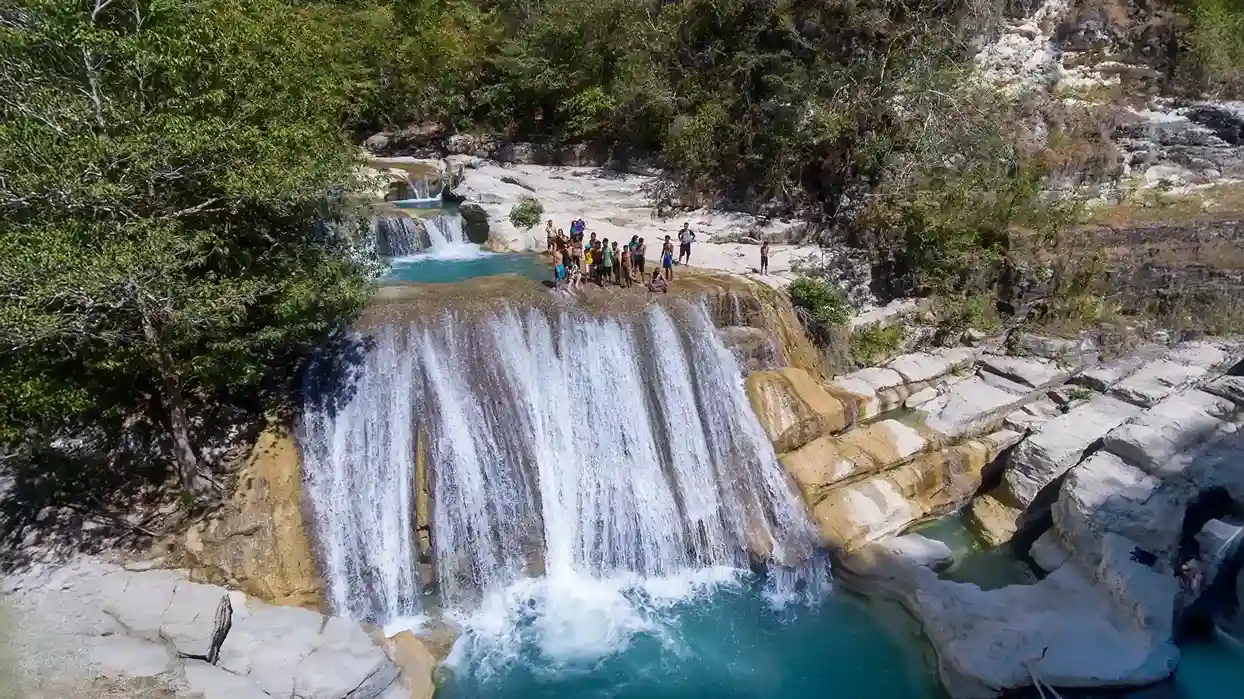
During the heart of the wet season, from December to February, Sumba’s inland regions flourish. Trekking through the lush rainforests reveals vibrant flora and fauna, including endemic bird species. Waterfalls like Lapopu and Tanggedu are at their most magnificent, roaring with the season’s abundance. The cooler temperatures and misty atmosphere in the highlands create a mystical ambiance, perfect for meditative walks and nature photography. This period is also ideal for visiting traditional villages, where you can observe daily life, learn about the intricate ikat weaving process, and connect with local communities in a more relaxed setting. The fewer external distractions allow for deeper, more meaningful cultural exchanges, truly facilitated by sumba concierge.

Pasola & Horse Culture: February to March

The Pasola festival, a highlight of Sumbanese culture, typically occurs in February or March, though exact dates are announced close to the event based on the full moon and local elder consultations. This ancient ritual involves two teams of horsemen, adorned in traditional attire, mock-fighting with spears on an open field. It is a powerful, visceral display of Sumba’s warrior heritage and animistic beliefs, believed to ensure a bountiful harvest. Witnessing Pasola is an extraordinary privilege, offering an unparalleled insight into the island’s spiritual heart. Indonesia.travel provides further insights into Sumba’s cultural landscape. Given the dynamic nature of its scheduling, working with sumba concierge is essential for planning a trip around this breathtaking event, including securing vantage points and understanding local etiquette.

Diving & Watersports Focus: April to November

For the dedicated diver, snorkeler, or watersports enthusiast, the window from April to November presents the most consistently favorable conditions across Sumba. While the dry season (May-September) is undeniably prime, the shoulder months extend the opportunities significantly. In April, as the monsoon recedes, the water clarity rapidly improves, and the seas calm. The reefs begin to teem with renewed life after the wet season. Visibility can quickly reach 20-25 meters (65-82 feet) around the south and southwest coasts, revealing vibrant soft corals, schools of fusiliers, and occasional pelagic sightings like reef sharks and mobula rays. This transition period often sees fewer dive boats, offering a more exclusive underwater experience.

By October, leading into the wet season, the conditions are still excellent, though you might encounter occasional localized showers. The waters remain warm, around 28°C (82°F), making multiple dives comfortable without thick wetsuits. Surfing, while generally peaking from June to August, still offers consistent swells in April and October. The advantage in these shoulder months is less crowded lineups at popular spots like Pero and Marosi. For kitesurfing and windsurfing, the trade winds are strongest during the dry season, particularly from June to September, providing ideal conditions for experienced riders. Kayaking and paddleboarding in tranquil bays are best enjoyed during the calmest periods of the dry season, or in sheltered lagoons during the shoulder months, ensuring safe and serene exploration of Sumba’s pristine coastline. Wikipedia offers more on Sumba’s geography and climate.

Cultural Immersion & Festival Calendar: Year-Round Highlights

Sumba’s rich cultural tapestry is a constant, yet specific festivals and ceremonies punctuate the calendar, offering unique windows into its ancient traditions. While Pasola is the most famous and typically occurs in February or March, there are numerous other local events throughout the year. Throughout the dry season, particularly from July to September, many villages hold harvest festivals (Wulla Poddu), which are smaller, more localized celebrations involving traditional dances, animal sacrifices, and communal feasts. These are less predictable than Pasola but can be incredibly rewarding to witness, often requiring local guidance to attend respectfully. Your sumba concierge specialist can often provide insights into these more intimate village happenings.

The art of ikat weaving, a cornerstone of Sumbanese culture, is practiced year-round. Visits to traditional villages like Prailiang or Ratenggaro offer opportunities to observe weavers at work, from spinning cotton to dyeing with natural pigments and the intricate tying process. These visits can be particularly rewarding during the wet season when agricultural work slows, and more villagers are focused on their crafts. Funeral ceremonies (Adat Kematian), which are elaborate multi-day affairs involving intricate rituals and often large stone megaliths, can occur at any time of year. While not a scheduled “festival,” witnessing such a profound cultural event, if appropriate and respectfully arranged, offers a deep understanding of Sumbanese spiritual life. The island’s cultural depth ensures that every month offers a chance for meaningful connection.

Navigating Pricing & Availability: Strategic Planning

Strategic planning is paramount when orchestrating a luxury escape to Sumba. The pricing landscape fluctuates significantly with the seasons, directly correlating with demand and weather conditions. The peak dry season, from May to September, commands premium rates across all luxury accommodations, from boutique resorts to private villas. During this period, expect to pay 20-30% more than the wet season rates, and availability can be extremely limited, often requiring bookings 9-12 months in advance. For example, a villa that might cost $1,500 per night in August could be available for $1,100 in March. Flights from Bali (Denpasar, DPS) to Sumba (Tambolaka, TMC, or Waingapu, WGP) also see higher fares and fuller cabins during these months, with daily flights often booked out weeks ahead. A typical 1.5-hour flight from Bali costs around $100-$150 one-way in peak season.

The shoulder seasons, April and October, present a sweet spot for value-conscious luxury travelers. You can often find discounts of 10-15% on accommodation, and flights are generally easier to secure and slightly less expensive. This period offers a fantastic balance of excellent weather and reduced crowds, making it ideal for those who prefer a slightly more tranquil experience without compromising on conditions. The wet season, from November to March, offers the most significant value proposition. Rates for luxury resorts can drop by 25-30%, and you might find attractive package deals for extended stays. While rain is more frequent, the lush landscapes and unique cultural events like Pasola make it a compelling choice for adventurous travelers. Flexibility with dates during the wet season can yield even greater savings. Engaging with sumba concierge allows for expert navigation of these pricing windows, ensuring you secure the best possible rates and experiences tailored to your preferences, no matter the season. Our team monitors availability and special offers meticulously, providing unparalleled access to Sumba’s exclusive offerings.

Whether you dream of sun-drenched beaches and world-class waves or prefer the vibrant greens of a rain-kissed landscape and profound cultural immersion, Sumba offers a distinct allure each month. Your journey with sumba concierge is designed to align perfectly with your vision. Connect with our expert team today to discuss your ideal travel window and begin crafting an extraordinary, tailor-made escape to this captivating Indonesian island.

💬